Cortisol Belly Explained: How to Reduce Visceral Fat Naturally
You’ve been dieting hard and exercising in all your free time, but the weighing scales haven't budged an inch. Or maybe you have managed some weight loss, but it just makes your tummy seem even bigger than before! Or do you feel so weak and tired every time you reduce calories that you can't exercise at all?
Is your body storing fat around your middle for a reason? The science behind "cortisol belly" is far more fascinating than social media suggests.
Chronic stress can trigger a cascade of changes that affect your appetite, cravings, sleep, muscle mass, blood sugar, inflammation and even where your body prefers to store fat. But cortisol is only one piece of a much bigger puzzle.
In this guide, we'll cut through the social media hype and explain what the science really says about cortisol belly and visceral fat. More importantly, we'll show you the evidence-based strategies, including diet, lifestyle and the supplements with the strongest scientific support. The right information can help you take back control of stubborn belly fat and finally change what's really been holding you back.
Why “Calories In, Calories Out” is Only Half the Story
For years, we've been told that losing weight is simply a matter of "calories in versus calories out." While a calorie deficit is still essential for weight loss, this statement is infuriatingly over-simplified. The scientific evidence that there are far more factors than this has existed for years. Two people eating the same number of calories can have very different experiences when it comes to losing stubborn belly fat.
Hormones, stress, sleep, insulin sensitivity, inflammation, gut health, muscle mass and even the bacteria living in your gut all affect how hungry you feel, how many calories you burn, where your body stores fat and how easy or difficult it is to lose it.
Fat is a symptom of medical conditions, not just a cause of disease.
7 Reasons You Could Be at Risk of Developing a "Cortisol Belly"
You may be more likely to develop stress-related abdominal weight gain if several of these apply to you:
-
You're perimenopausal or menopausal, when falling oestrogen naturally shifts fat storage towards the abdomen. Sleep disruption, increased stress, muscle loss and a slower metabolism can all add to the problem.
-
You're living with chronic stress and rarely feel able to switch off.
-
You regularly get poor-quality sleep or work night shifts.
-
You struggle with anxiety or depression.
-
You exercise intensely but don't allow enough time for recovery.
-
You take long-term steroid medication (such as prednisolone), which mimics the effects of cortisol.
-
You have been diagnosed with Cushing's syndrome, a rare medical condition that causes excessive cortisol production.
If several of these sound familiar, cortisol may be contributing to changes around your waistline. However, remember that a "cortisol belly" is rarely caused by cortisol alone—hormonal changes, diet, physical activity and ageing are all important pieces of the puzzle.
The Double Whammy - How Raised Cortisol Pushes Weight Gain
Chronically high cortisol can push you into weight gain by increasing your appetite and slowing your metabolism. Here’s how the sequence of events typically unfolds:
It often starts with your appetite. High cortisol increases hunger and, in particular, makes you crave sugary and high-fat foods. This isn't simply a lack of willpower. Your brain is looking for a quick dopamine hit to help you feel better and temporarily relieve stress, making comfort foods far more tempting than usual.
As these cravings become more frequent, emotional eating can become a habit. At the same time, cortisol can reduce your insulin sensitivity, making it harder for your cells to use glucose efficiently. Instead of easily burning stored fat for energy, your body becomes more reliant on quick sources of sugar, leaving you feeling tired, sluggish and reaching for another snack to boost your energy.
If stress continues for weeks or months, cortisol can also begin to reduce muscle mass. Because muscle burns calories all day long, even while you're resting, losing muscle slows your metabolism and means you burn fewer calories during both exercise and everyday activities.
Together, these changes create the perfect conditions for weight gain. You're eating more, burning fewer calories, finding it harder to access stored fat for energy and feeling less motivated to be active because your energy levels are lower.

To make matters worse, cortisol also appears to influence where excess fat is stored. Rather than accumulating mainly around the hips and thighs, your body becomes more likely to deposit fat around the abdomen, including deep visceral fat surrounding your organs. Over time, this is why prolonged stress often shows up not just on the scales, but around your waistline.
What is Visceral Fat?
Visceral fat is the fat stored deep inside your abdomen, wrapped around organs such as your liver, pancreas and intestines. In small amounts, visceral fat is completely normal and helps protect your organs, but too much is dangerous because it is an active tissue. It releases free fatty acids, inflammatory proteins (cytokines), and metabolic hormones (adipokines) directly into your bloodstream.

How Can I Tell If I Have Too Much Visceral Fat?
Method |
What It Tells You |
|
Waist-to-hip ratio |
Divide your waist measurement by your hip measurement. A ratio above 0.90 for men or 0.85 for women suggests excess abdominal fat and a higher risk of metabolic disease. |
|
Waist circumference |
Health risks begin to increase at 94 cm (37 in) for men and 80 cm (31.5 in) for women. A waist of 102 cm (40 in) or more for men and 88 cm (35 in) or more for women indicates a substantially higher health risk. |
|
Medical imaging |
The only way to accurately measure visceral fat is with specialised imaging such as an MRI, CT scan, or DEXA body composition scan. These methods distinguish visceral fat from the fat stored just beneath the skin. |
Why Is Too Much Visceral Fat Dangerous?
Visceral fat isn't just a place where your body stores excess calories. It behaves like a highly active organ, releasing hormones and inflammatory chemicals that can affect almost every system in your body. This is why carrying too much visceral fat is associated with a much greater risk of chronic disease than fat stored just under the skin.
One of the first problems visceral fat causes is insulin resistance. It interferes with the way your body responds to insulin, meaning your pancreas has to produce more of the hormone to keep blood sugar under control. Over time, this increases the risk of developing prediabetes and type 2 diabetes.
Visceral fat also has a direct impact on heart health. It releases fatty acids into the bloodstream, particularly into the liver, contributing to higher cholesterol levels, raised blood pressure and an increased risk of cardiovascular disease. High levels of visceral fat are also linked with fatty liver disease, stroke and even an increased risk of certain cancers.
Perhaps most importantly, visceral fat acts almost like an overactive immune organ. Fat cells release a constant stream of inflammatory signalling molecules, known as cytokines, which create chronic, low-grade inflammation throughout the body. Unlike the short-term inflammation needed to fight infection or heal an injury, this persistent inflammation quietly damages tissues and increases the risk of many age-related diseases.
Some of the most important inflammatory cytokines released by visceral fat include interleukin-6 (IL-6), which stimulates the liver to produce C-reactive protein (CRP), a major marker of cardiovascular risk. Tumour necrosis factor-alpha (TNF-α) disrupts normal insulin signalling, making insulin resistance worse and placing greater strain on the pancreas. Interleukin-8 (IL-8) attracts immune cells into the walls of blood vessels, encouraging the build-up of fatty plaques that can lead to atherosclerosis and heart disease.
Key Points
Visceral fat is far more harmful than the fat you can pinch because it releases inflammatory chemicals that increase the risk of diabetes, heart disease and other chronic illnesses. Reducing visceral fat doesn't just shrink your waistline—it improves your long-term health.
What is the Difference Between Visceral Fat and Cortisol Belly?
In simple terms: Visceral fat is the actual type of fat. Cortisol belly is a popular explanation for how that fat may have developed.
Visceral Fat |
Cortisol Belly |
|
A medical term describing fat stored deep inside the abdomen around organs such as the liver, pancreas and intestines. |
Not a medical diagnosis. A popular term used to describe abdominal weight gain thought to be influenced by chronically elevated cortisol from long-term stress. |
|
Can be measured using medical imaging such as CT or MRI scans. |
Cannot be diagnosed or measured because it is not a recognised medical condition. |
|
Metabolically active, releasing inflammatory chemicals that increase the risk of insulin resistance, type 2 diabetes, heart disease and other chronic diseases. |
Describes a possible cause or pattern of fat gain, rather than a specific type of fat. |
|
Refers specifically to where fat is stored. |
Refers to why fat may have accumulated. |
|
May exist in people of any body size, even those with a healthy BMI. |
Usually refers to a noticeable increase in fat around the waist and abdomen. |
|
Represents only deep abdominal fat. |
Often includes both visceral fat and subcutaneous fat (the fat just beneath the skin). |
How Can You Detox Cortisol?
Rather than trying to "detox cortisol" (a common marketing claim with little evidence), focus on habits that genuinely improve cortisol regulation:
- Prioritise 7–9 hours of sleep. Set yourself a specific bedtime and always go to bed at the same time. Struggling adrenal glands need regular routines.
- Manage chronic stress through methods such as mindfulness, yoga, walking or cognitive behavioural strategies. Establish a soothing bedtime routine to help you sleep.
- Do regular resistance training to preserve muscle. Include moderate cardiovascular exercise.
- Prioritise protein and fibre over carbohydrates, and especially sugar. The Dukan Diet may be worth considering. Avoid crash dieting or intermittent fasting, which can increase cortisol.
- Make sure you are getting plenty of vitamin C and B vitamins. These are absolutely essential for the adrenal gland to function.
- Avoid alcohol.
Can Supplements Help Reduce Belly Fat?
Some supplements have evidence for reducing perceived stress or supporting cortisol regulation, although none specifically target "cortisol belly". We will discuss the best five supplements for cortisol belly:
-
Magnesium (particularly if deficient)
-
Collagen
-
Omega-3 fatty acids
-
Ashwagandha (best evidence among herbal supplements)
-
L-theanine

How Magnesium Can Help Reduce Cortisol Belly Fat
Magnesium may help with what is often called "cortisol belly," but not because it directly burns belly fat or blocks cortisol production. Instead, magnesium supports several systems that regulate the body's response to stress, sleep, blood sugar and inflammation, all of which influence where fat is stored on the body.
Regulating cortisol release
One of magnesium's most important roles is helping to regulate the body's stress response. Magnesium is involved in controlling the hypothalamic-pituitary-adrenal (HPA) axis, the network that governs cortisol release. When magnesium levels are low, the body appears to become more sensitive to stress, leading to a stronger and more prolonged cortisol response. Chronic stress can increase appetite, promote cravings for sugary foods and encourage fat storage around the abdomen, so maintaining adequate magnesium may help keep this stress response in better balance.
Better sleep
Magnesium also plays a key role in sleep quality. Poor sleep is one of the biggest drivers of elevated cortisol, particularly in the evening, and is associated with increased hunger, insulin resistance and abdominal fat gain. Magnesium helps regulate neurotransmitters involved in relaxation and supports normal melatonin function, making it easier for some people to fall asleep and achieve deeper, more restorative sleep. Better sleep helps restore a healthier daily cortisol rhythm, where levels are high in the morning and gradually decline throughout the day.
Balancing blood sugar
Blood sugar control is another important factor. Magnesium is required for normal insulin function, and low magnesium status has been linked with insulin resistance and a higher risk of type 2 diabetes. When insulin sensitivity declines, the body is more likely to store excess energy as visceral fat around the abdominal organs. By supporting healthy glucose metabolism, magnesium may indirectly make abdominal fat accumulation less likely.
Controlling inflammation
Chronic low-grade inflammation is also thought to contribute to visceral fat accumulation, particularly during midlife and menopause. Magnesium has anti-inflammatory effects, and low magnesium intake has been associated with higher levels of inflammatory markers such as C-reactive protein (CRP). While magnesium is not an anti-inflammatory drug, correcting a deficiency may help reduce some of the inflammatory burden that contributes to metabolic dysfunction.
Magnesium in menopause
For women in perimenopause and menopause, magnesium may be particularly beneficial because several menopause symptoms are closely linked to both stress and low magnesium status. Hot flushes, anxiety, sleep disturbances and fatigue can all create a cycle of elevated cortisol and poor recovery. By supporting the nervous system, muscle function and sleep, magnesium may help break this cycle, making it easier to manage weight alongside a healthy diet and regular exercise.
If you are magnesium deficient or has a low dietary intake, improving your magnesium status with a high strength magnesium supplement may support healthier cortisol regulation, better sleep, improved insulin sensitivity and lower inflammation. Together, these effects create a metabolic environment that is less favourable for the development of excess abdominal fat. The important point is that magnesium should not be viewed as a treatment for "cortisol belly." There is no evidence that taking a magnesium supplement directly reduces abdominal fat.
Magnesium – Key Points
Magnesium helps regulate the body's response to stress, supports healthy sleep, improves insulin sensitivity and helps reduce chronic low-grade inflammation. Together, these effects may make it particularly beneficial for people whose visceral fat is being driven by chronic stress and poor sleep.
How Omega 3 Gets to the Root Causes of Cortisol Belly Fat
Omega-3 fatty acids may help with what is often called "cortisol belly," not by directly reducing belly fat, but by addressing several of the biological processes that contribute to abdominal fat accumulation. The two main omega-3s found in oily fish, both EPA (eicosapentaenoic acid) and DHA (docosahexaenoic acid), have well-proven roles in regulating inflammation, supporting metabolic health and influencing the body's response to stress.
Omega 3s to control inflammation
One of the most important ways omega-3s may help is by reducing chronic low-grade inflammation. Visceral fat, the fat stored around the abdominal organs, is highly inflammatory and releases signalling molecules that can worsen insulin resistance and encourage further fat accumulation. EPA and DHA are converted into specialised pro-resolving mediators, compounds that help switch off inflammation once it has served its purpose. By helping to resolve, rather than simply suppress, inflammation, omega-3s may create a healthier metabolic environment that is less likely to promote visceral fat storage.
Calming stress with EPA and DHA
Omega-3s may also influence the body's stress response. Some studies have found that people with higher intakes of EPA and DHA have a smaller cortisol response to psychological stress, although the evidence is mixed and the effects are generally modest. By making the body's stress response less exaggerated, omega-3s may help reduce one of the factors that contributes to stress-related overeating and abdominal weight gain.
Insulin sensitivity
Another important mechanism is their effect on insulin sensitivity. Omega-3s improve the function and flexibility of cell membranes, allowing cells to respond more effectively to insulin. Better insulin sensitivity helps the body regulate blood sugar more efficiently and reduces the tendency to store excess energy as visceral fat. While omega-3s are not a substitute for a healthy diet or exercise, they can support the metabolic processes that help keep blood sugar under control.
Microbiome support
Omega-3s may also benefit the gut, which is increasingly recognised as an important player in metabolic health. They appear to support a healthier gut microbiome, strengthen the intestinal barrier and reduce intestinal inflammation. This may limit the passage of bacterial toxins such as lipopolysaccharide (LPS) into the bloodstream, reducing the chronic inflammation that is thought to contribute to insulin resistance and visceral fat accumulation.
Relevance in menopause
For women during perimenopause and menopause, omega-3s may provide additional benefits. Hormonal changes are associated with increased inflammation, a shift towards storing more fat around the abdomen and a higher risk of cardiovascular disease. Omega-3s support heart health, may improve mood in some women and can help reduce inflammation during this stage of life, making them a useful part of an overall strategy for maintaining metabolic health.
It is important to keep expectations realistic. By supporting a healthier stress response, reducing inflammation, improving insulin sensitivity and promoting gut health, Omega 3 supplements may help address several of the underlying factors that make abdominal fat more likely to accumulate. However, omega-3 supplements have not been shown to selectively reduce a "cortisol belly" or target abdominal fat on their own. Their greatest benefit is likely to be seen when combined with a balanced diet, regular physical activity, good sleep and effective stress management.
Omega-3 – Key Points
Omega-3 fatty acids help resolve the chronic inflammation associated with visceral fat, support healthy insulin sensitivity and may help moderate the body's response to stress. They also help maintain a healthy gut barrier and microbiome, creating a metabolic environment that is less favourable for abdominal fat accumulation.

Collagen, Cortisol Belly and Visceral Fat
Chronic stress and elevated cortisol can impair gut barrier function. Increased intestinal permeability may allow bacterial endotoxins into the circulation, promoting systemic inflammation and insulin resistance. This inflammatory environment may encourage the expansion of visceral fat as part of the body's response to chronic metabolic stress.
The chain of reasoning usually goes like this:
Stress → leaky gut → inflammation → visceral fat → collagen helps repair the gut.
Parts of this pathway have good evidence. The complete chain has not been proven.
Stress leads to leaky gut
Chronic stress can increase intestinal permeability, and this is probably the strongest part of the theory. Cortisol and chronic psychological stress can reduce blood flow to the gut, alter the gut microbiome, increase intestinal permeability ("leaky gut"), and reduce the production of protective mucus, which then triggers a vicious cycle situation that is difficult to escape. This cycle can then perpetually increase low-grade, constant inflammation.
This means bacterial products such as lipopolysaccharide (LPS, an endotoxin from Gram-negative bacteria) can cross the gut barrier more easily into the bloodstream. This phenomenon is sometimes called metabolic endotoxaemia.
Low-grade inflammation promotes visceral fat
There is growing evidence for this. LPS activates immune cells through Toll-like receptor 4 (TLR4), leading to increased production of inflammatory cytokines including TNF-α, IL-6 and IL-1β. These contribute to:
-
insulin resistance
-
poorer glucose control
-
altered appetite regulation
-
increased fat storage around abdominal organs.
Interestingly, visceral fat isn't just passive fat storage. It acts as an immune organ, containing large numbers of macrophages and producing inflammatory molecules, hormones and signalling proteins. Some researchers propose that visceral fat expands partly because it provides a location to safely store excess fatty acids and buffer inflammatory stress away from other organs.
Visceral fat may be an adaptive response to chronic metabolic stress and inflammation. The body isn't consciously building armour around the organs as a defence mechanism. It is responding to inflammatory and metabolic signals in a way that unfortunately increases disease risk over time.
So, can collagen repair the gut?
This is where the evidence becomes much weaker. The gut wall certainly contains collagen. Collagen is a major structural protein in the gut (within the basement membrane, extracellular matrix and connective tissue beneath the intestinal lining.)
Eating collagen gives your body the right balance of amino acids that it needs to build and repair the collagen in your body, including the gut. The most important of these is probably glycine. Collagen is around one-third glycine. This amino acid has been shown in animal studies to reduce intestinal inflammation, improve tight junction proteins, reduce oxidative stress and improve barrier integrity in the gut - in other words, to heal leaky gut. Human evidence is still limited, but mechanistically it makes sense.
Nutrients that support a healthy gut barrier
The intestinal barrier is made up of several layers, including the gut microbiome, mucus layer, intestinal cells, tight junctions, connective tissue (which contains collagen) and immune cells.
While collagen supports the structural framework of the gut, the mucus layer and intestinal lining also depend on a range of vitamins and minerals to stay healthy. This means an ideal collagen supplement includes the additional partner nutrients for collagen building and healthy mucus membranes.
-
Vitamin A – Essential for maintaining the gut lining. It supports the turnover of intestinal cells, stimulates the production of protective mucus (mucin), supports goblet cells that produce mucus, and helps maintain overall barrier integrity. Vitamin A deficiency is strongly linked with impaired mucosal defences.
-
Vitamin D – Helps strengthen the gut barrier by supporting tight junction proteins, regulating immune function, promoting antimicrobial peptide production and helping maintain a healthy gut microbiome. Low vitamin D status has been associated with increased intestinal permeability.
-
Zinc – Critical for repairing the gut lining. It supports epithelial repair, wound healing, tight junction integrity and normal immune function. Even mild zinc deficiency can weaken the intestinal barrier.
-
Vitamin C – Essential for producing new collagen, as it enables the enzymes that stabilise collagen fibres. It also provides antioxidant protection during tissue repair. Without enough vitamin C, the body cannot build healthy collagen effectively, regardless of collagen intake.
-
Copper – Required for the enzyme lysyl oxidase, which cross-links collagen and elastin fibres, giving connective tissue—including the gut wall—its strength and resilience.
-
B Vitamins (especially B6, B12 and folate) – Support the rapid renewal of intestinal cells by enabling DNA synthesis, normal cell division and tissue repair. The gut lining renews itself every 3–5 days, making an adequate supply essential.
-
Iron – Necessary for healthy tissue repair and regeneration, although both deficiency and excess can negatively affect gut health. Maintaining healthy iron levels is important for normal gut barrier function.
While each individual link in the chain has supporting evidence to varying degrees, there are currently no high-quality human trials demonstrating that collagen supplementation repairs a leaky gut, lowers endotoxaemia, or reduces visceral fat via this mechanism. It is a scientifically plausible framework, but it has not yet been conclusively established.
Collagen Peptides – Key Points
Collagen peptides don't directly reduce visceral fat, but they support several of the underlying factors that influence it. By helping preserve muscle, supporting joint health, promoting better sleep through their glycine content, and helping maintain gut barrier integrity, collagen can make it easier to stay active and create a healthier metabolic environment for long-term fat loss.
Ashwagandha - The Herbal Way to Reduce Cortisol?
Ashwagandha is one of the few herbal supplements with reasonably good evidence for supporting the body's response to stress. While it won't directly reduce abdominal fat, it may help with what is often called "cortisol belly" by lowering chronic stress, supporting healthier cortisol levels and improving several factors that influence body composition over time.
Ashwagandha is classified as an adaptogen, meaning it appears to help the body adapt to physical and psychological stress. It works by influencing the hypothalamic-pituitary-adrenal (HPA) axis, the system that controls the release of cortisol. Several randomised controlled trials have found that people taking ashwagandha extract experience reductions in perceived stress, anxiety and circulating cortisol compared with placebo, particularly those with high levels of chronic stress. By preventing cortisol from remaining chronically elevated, ashwagandha may help reduce one of the signals that encourages abdominal fat storage.
Stress control and normalised sleep rhythms
Lower cortisol may also help reduce stress-related eating. Chronic stress often increases cravings for high-calorie, sugary and fatty foods by altering appetite hormones and activating the brain's reward pathways. People under prolonged stress frequently consume more calories without realising it. By helping people feel calmer and more resilient to stress, ashwagandha may indirectly make it easier to maintain healthy eating habits and avoid the cycle of stress-induced overeating that contributes to weight gain around the waist.
Sleep is another important piece of the puzzle. Poor sleep is strongly associated with higher cortisol levels, increased hunger, insulin resistance and greater visceral fat accumulation. Several studies suggest ashwagandha can improve sleep quality and reduce the time taken to fall asleep, particularly in people experiencing stress or insomnia. Better sleep helps restore a healthier daily cortisol rhythm, where cortisol peaks in the morning and declines steadily throughout the day, supporting both metabolic health and appetite regulation.
Blood sugar balance
Ashwagandha may also support healthy blood sugar control. Some research suggests it can modestly improve insulin sensitivity and reduce fasting blood glucose, although these effects are less consistent than its benefits for stress. Because insulin resistance is closely linked to visceral fat accumulation, improving the body's ability to regulate blood sugar may help create a metabolic environment that is less favourable for storing fat around the abdominal organs.
For women in perimenopause and menopause, ashwagandha may be particularly relevant. Hormonal changes often coincide with increased stress, anxiety, disrupted sleep and a shift towards storing more fat around the abdomen. By supporting stress resilience, improving sleep and potentially helping regulate cortisol, ashwagandha may help address several of the underlying factors that contribute to this change in body composition. Some studies have also reported improvements in menopause-related quality of life, although more research is needed.
It's important to keep the claims proportionate. Ashwagandha is not a fat-burning supplement, nor does it specifically target abdominal fat. The evidence suggests its greatest benefit comes from reducing chronic stress and supporting healthier cortisol regulation. For people whose abdominal weight gain is being driven in part by prolonged stress, poor sleep and stress-related eating, ashwagandha may help remove some of the underlying drivers. However, it works best as part of a broader approach that includes resistance exercise, a balanced diet and good sleep habits.
Ashwagandha – Key Points
Ashwagandha is one of the best-researched herbs for helping the body cope with chronic stress. It may help prevent cortisol from remaining elevated for long periods, reduce stress-related cravings and overeating, and support deeper, more restorative sleep, making it particularly useful for stress-driven abdominal weight gain.
How L-Theanine May Help Reduce Cortisol Belly
L-theanine is a naturally occurring amino acid found almost exclusively in tea leaves, particularly green tea (Camellia sinensis), although it is also present in black, white and oolong tea. It is responsible for tea's characteristic calming effect, helping to promote relaxation without causing drowsiness.
Reducing stress and improving sleep
One of the ways L-theanine may help with a "cortisol belly" is by reducing the body's response to stress. It increases the activity of calming brain chemicals such as GABA, serotonin and dopamine, while promoting alpha brain waves associated with a relaxed but alert mental state. Studies suggest this can reduce feelings of stress and anxiety, and in some people may help blunt the cortisol response to stressful situations.
L-theanine may also improve sleep quality, particularly in people whose sleep is disrupted by stress or an overactive mind. Better sleep helps restore a healthy daily cortisol rhythm, reducing one of the key drivers of increased appetite, insulin resistance and abdominal fat accumulation. Unlike many sleep aids, L-theanine doesn't act as a sedative, so it can help promote relaxation without leaving you feeling groggy the next day.
The best natural source of L-theanine is green tea, although black, white and oolong teas also contain useful amounts. The exact amount varies depending on the type of tea and how it is brewed, but a typical cup provides around 5–25 mg of L-theanine. Most clinical studies, however, use doses of 100–400 mg per day, meaning supplements provide significantly more than can usually be obtained from tea alone.
While L-theanine won't directly reduce abdominal fat, it may help tackle some of the underlying drivers of a "cortisol belly" by promoting relaxation, improving sleep and supporting a healthier response to stress. Combined with good nutrition, regular exercise and adequate sleep, it may be a useful addition for people whose stress levels are contributing to weight gain around the waist.
L-Theanine – Key Points
L-theanine promotes a calm, relaxed state without causing drowsiness, helping to reduce the body's stress response before it leads to prolonged cortisol elevation. It may also support better sleep, healthier cortisol rhythms and reduce stress-related comfort eating. Naturally found in green tea, L-theanine is associated with additional benefits for metabolic health.
Take Control of Cortisol Belly and Visceral Fat – One Step at a Time
If you're looking to tackle a "cortisol belly", don't get distracted by miracle cures or supplements that promise to melt away belly fat. Visceral fat develops because of a combination of stress, poor sleep, inflammation, insulin resistance and hormonal changes, so the best approach is to tackle those root causes.
If you were choosing just two supplements with the strongest overall case, magnesium and omega-3 would be the foundations. Together they support a healthier stress response, improve sleep, help regulate blood sugar and reduce chronic inflammation, all key factors linked to visceral fat accumulation.
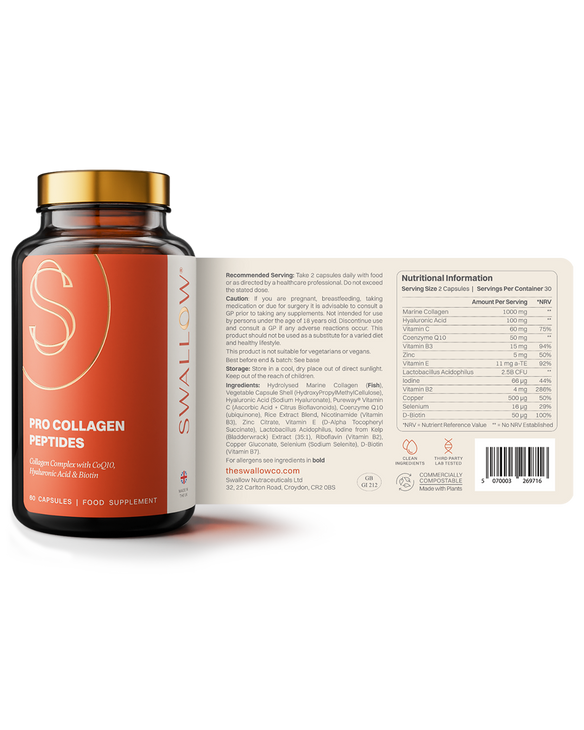
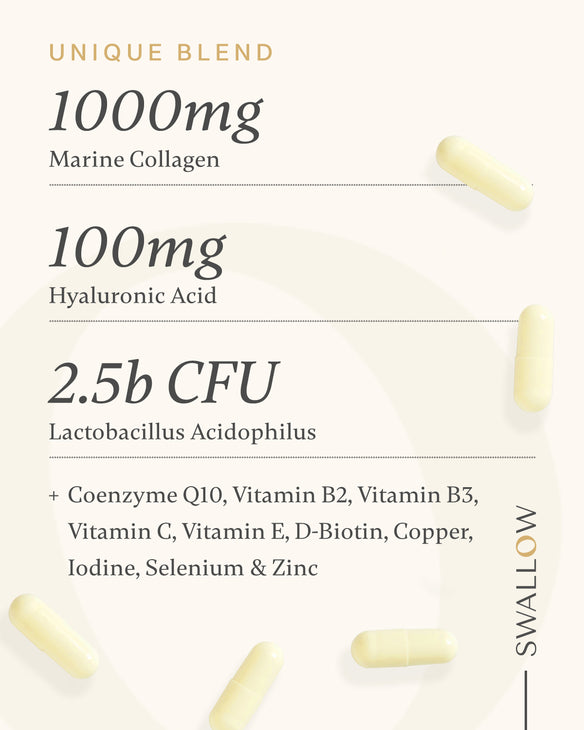
From there, you can build on those foundations. Collagen peptides, especially when paired with the vitamins and minerals needed to support gut barrier health, may help address another piece of the puzzle by supporting connective tissues, muscle and gut integrity. If stress is a major factor for you, ashwagandha is one of the best-researched herbal options, while simply drinking more green tea provides natural L-theanine alongside other beneficial plant compounds that may help you feel calmer and more resilient.
Most importantly, remember that no supplement can overcome an unhealthy lifestyle. Even the best ingredients won't reduce visceral fat unless they're combined with a calorie-controlled diet, regular physical activity, and ideally some form of resistance training to preserve muscle. Think of supplements as giving your body the tools it needs to work better, not doing the work for you.
The good news is that visceral fat is one of the most responsive types of body fat to lifestyle change. Every healthy meal, every walk, every workout, every good night's sleep and every step you take to manage stress is moving you in the right direction.
You don't need to be perfect. If one day goes astray, don’t beat yourself up: just forgive yourself and get back on the programme the next day. Starting with the fundamentals, you can gradually build habits you stick to more easily, giving your body the chance to become healthier, stronger and more resilient over time.

Sources and Further Reading
Visceral fat and inflammatory cytokines
A study of 189 men found that IL-6 was independently associated with excess visceral adiposity and higher fasting insulin, while TNF-alpha tracked more closely with overall body fatness.
Pou, K.M., et al., "Visceral Obesity and Plasma Glucose-Insulin Homeostasis: Contributions of Interleukin-6 and Tumor Necrosis Factor-α in Men," The Journal of Clinical Endocrinology & Metabolism, 2008
https://academic.oup.com/jcem/article-abstract/93/5/1931/2599011
Stress and intestinal permeability
A review of human studies found that acute psychosocial stress increased intestinal permeability specifically in people whose stress-induced cortisol response was highest, supporting a genuine but response-dependent link between cortisol and gut barrier function.
Review, "Psychosocial stress-induced intestinal permeability in healthy humans: What is the evidence?," Brain, Behavior, & Immunity – Health, 2023
https://www.sciencedirect.com/science/article/pii/S235228952300067X
Omega-3
A randomised controlled trial found that omega-3 supplementation (2.5g/day) reduced both cortisol and IL-6 responses to a laboratory stress test in overweight, middle-aged adults compared with placebo.
Madison, A.A., et al., "Omega-3 supplementation and stress reactivity of cellular aging biomarkers: an ancillary substudy of a randomized, controlled trial in midlife adults," Molecular Psychiatry, 2021
https://www.nature.com/articles/s41380-021-01077-2
Glycine (sleep/cortisol rhythm)
A randomised study found that 3g of glycine taken before bedtime improved subjective sleep quality and sleep efficiency, and reduced next-day sleepiness, compared with placebo.
Yamadera, W., Inagawa, K., Chiba, S., Bannai, M., Takahashi, M., Nakayama, K., "Glycine ingestion improves subjective sleep quality in human volunteers, correlating with polysomnographic changes," Sleep and Biological Rhythms, 2007
https://onlinelibrary.wiley.com/doi/full/10.1111/j.1479-8425.2007.00262.x
Glycine (gut barrier)
Glycine supplementation was shown to enhance intestinal mucosal barrier integrity and reduce inflammation in obese mice by supporting tight junction protein expression.
"Dietary Supplementation with Glycine Enhances Intestinal Mucosal Integrity and Ameliorates Inflammation in C57BL/6J Mice with High-Fat Diet–Induced Obesity," The Journal of Nutrition, 2022
https://jn.nutrition.org/article/S0022-3166(22)00265-6/fulltext
Ashwagandha
A systematic review and meta-analysis of randomised trials found ashwagandha supplementation significantly reduced serum cortisol, perceived stress and anxiety scores compared with placebo.
Systematic review and meta-analysis, "Effects of Ashwagandha (Withania Somnifera) on stress and anxiety," 2024
https://pubmed.ncbi.nlm.nih.gov/39348746/
L-theanine
A randomised, placebo-controlled crossover trial found that an L-theanine drink significantly reduced subjective stress and the salivary cortisol response to a cognitive stress task in healthy adults.
"Anti-Stress, Behavioural and Magnetoencephalography Effects of an l-Theanine-Based Nutrient Drink: A Randomised, Double-Blind, Placebo-Controlled, Crossover Trial," 2015
https://www.ncbi.nlm.nih.gov/pmc/articles/PMC4728665/